Table of contents
- Introduction
- What Are the Most Common Electrical Issues in Commercial Buildings?
- 1. Overloaded Electrical Circuits
- 2. Ageing or Damaged Wiring
- 3. Poorly Maintained Switchboards and Distribution Panels
- 4. Power Surges and Voltage Fluctuations
- 5. Faulty or Non-Compliant Emergency Lighting Systems
- 6. Damaged Outlets, Switches, and Electrical Fittings
- 7. No Preventative Electrical Maintenance Plan
- Frequently Asked Questions (FAQ)
- Conclusion: Don’t Wait for a Failure to Act
Introduction
Electrical issues in commercial buildings are one of the leading causes of downtime, safety hazards, and costly repairs in Qatar. Whether it’s a high-rise tower in Lusail, a warehouse in the Industrial Area, or a retail complex in West Bay, every commercial property depends on a reliable electrical system to operate safely and efficiently. Identifying and addressing these electrical issues early can help facility managers prevent disruptions, maintain compliance, and protect valuable assets.
At Graner, we’ve delivered electrical and MEP solutions across Qatar’s commercial, industrial, and residential sectors. Through hands-on experience in building and tower facility management, we’ve identified the electrical issues that consistently threaten operations, compliance, and safety — and more importantly, how to resolve them before they become emergencies.
This guide is for facility managers, building owners, and operations teams in Qatar who want to stay ahead of electrical failures, protect their assets, and maintain full compliance with Qatar’s regulatory standards.
What Are the Most Common Electrical Issues in Commercial Buildings?
Before diving into each problem, here’s a quick overview:
- Overloaded Electrical Circuits
- Ageing or Damaged Wiring
- Poorly Maintained Switchboards and Distribution Panels
- Power Surges and Voltage Fluctuations
- Faulty Emergency Lighting Systems
- Damaged Outlets, Switches, and Sockets
- Absence of a Preventative Electrical Maintenance Plan
Let’s break each one down.
1. Overloaded Electrical Circuits
What Is It?
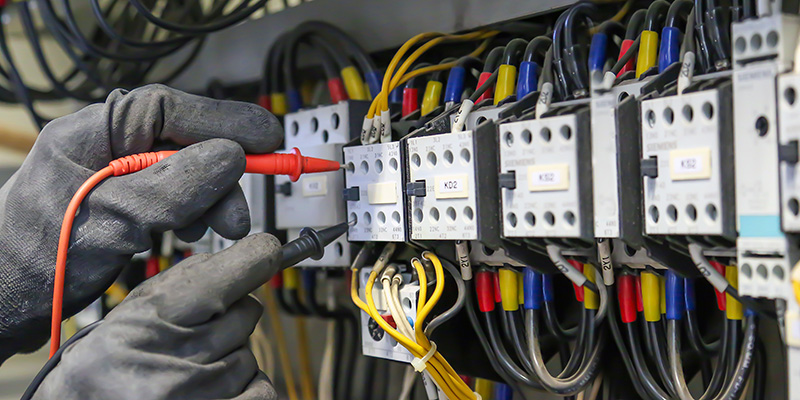
An overloaded circuit occurs when more electrical current is drawn through a circuit than it was designed to handle. In commercial buildings, this is extremely common because of the simultaneous operation of HVAC systems, computers, servers, kitchen equipment, security systems, elevators, and lighting all running on infrastructure that may have been designed years ago for lighter demands.
Why It Happens in Qatar’s Commercial Buildings
Qatar’s rapid commercial development means many buildings are operating equipment far beyond their original electrical design capacity. The extreme summer heat also means HVAC systems run at full load for extended periods, placing enormous strain on circuits that may already be near capacity.
Warning Signs
- Circuit breakers that trip repeatedly
- Buzzing or humming sounds near panels or outlets
- Lights that flicker when heavy machinery or HVAC switches on
- Outlets that feel warm to the touch
How to Fix It
The right fix starts with a professional electrical load assessment not a visual inspection, but an actual measurement of your building’s current draw versus its designed capacity. From there, solutions include installing dedicated circuits for high-draw equipment, upgrading panel capacity, and load balancing across phases.
Trying to solve overloaded circuits by simply resetting breakers is dangerous and only delays a potentially serious incident.
Prevention Strategy
2. Ageing or Damaged Wiring
Schedule an electrical load review every time you add major equipment or systems. Buildings undergoing renovation or tenant changes in Qatar should always include an electrical capacity audit as part of the process.
What Is It?
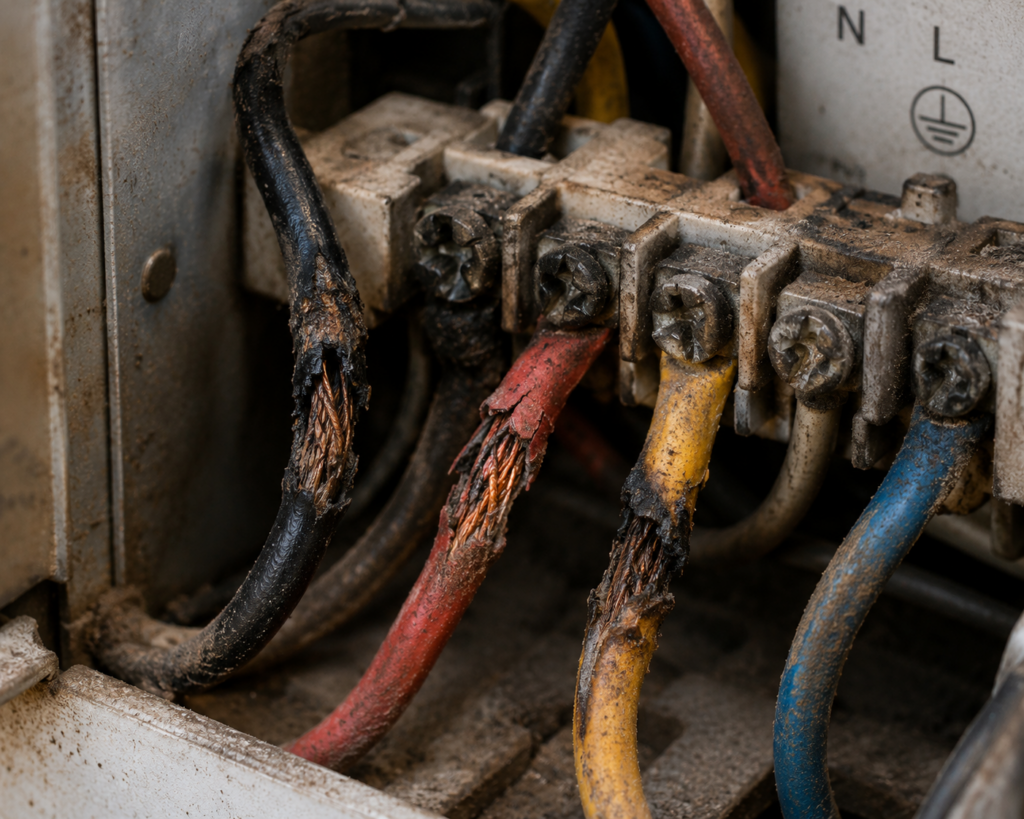
Electrical wiring has a lifespan. As insulation breaks down, conductors corrode, and connections loosen over time, the risk of short circuits, electrical fires, and electrocution rises significantly. This is especially relevant for commercial buildings in Qatar constructed during earlier development phases that have not undergone electrical upgrades.
Why It’s a Serious Risk
Damaged wiring is one of the leading causes of commercial building fires globally. What makes it particularly dangerous is that it’s largely invisible behind walls, above ceilings, and under floors making it easy to overlook until something goes badly wrong.
Warning Signs
- A persistent burning smell from walls or sockets with no obvious source
- Discolouration or scorch marks around power points
- Walls or sockets that feel warm
- Electrical faults that appear randomly and without a clear cause
- Frequent power fluctuations in specific areas of the building
How to Fix It
A licensed electromechanical contractor should conduct a full wiring inspection, including thermal imaging to detect hotspots that indicate deteriorating connections. Sections of wiring that no longer meet Qatar’s electrical standards must be replaced not patched.
Prevention Strategy
A full wiring inspection every three to five years is considered best practice for commercial buildings. For older buildings in Qatar particularly those over 10–15 years old this should be a non-negotiable part of your annual facility management contract.
3. Poorly Maintained Switchboards and Distribution Panels
What Is It?
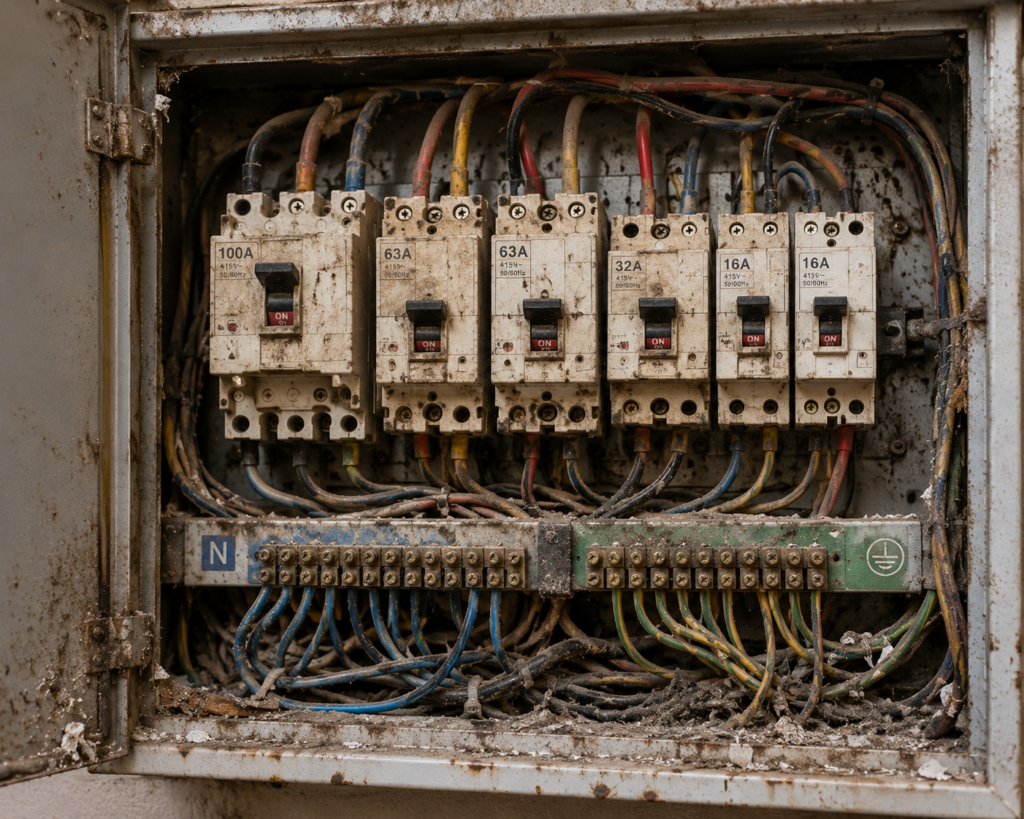
The switchboard or distribution panel is the central control point of your building’s electrical system. It manages how power is distributed across different circuits and zones. When switchboards are outdated, overcrowded, unlabelled, or improperly maintained, the entire building’s electrical reliability is at risk.
The Qatar-Specific Context
Many commercial buildings across Doha operate switchboards that were installed during construction and have never been upgraded, despite significant increases in electrical load or changes in tenancy. Older boards frequently lack residual current devices (RCDs) and adequate surge protection both of which are essential safety features.
Warning Signs
- Sparks, crackling sounds, or a burnt odour near the panel
- No RCDs or outdated circuit protection installed
- Unclear or missing circuit labels, making fault isolation difficult
- Tripped breakers that cannot be reset properly
- Visible corrosion or heat damage on the board
How to Fix It
Switchboard upgrades should be carried out by a qualified electromechanical contractor with full compliance to Qatar’s electrical codes. This includes installing RCDs, surge protection devices, properly rated circuit breakers, and clear circuit labelling. A well-maintained switchboard is also significantly easier to troubleshoot during an emergency.
Prevention Strategy
Annual switchboard inspection and testing is the minimum standard. For buildings with high electrical loads — data centres, hospitals, large retail complexes semi-annual checks are advisable.
4. Power Surges and Voltage Fluctuations
What Is It?
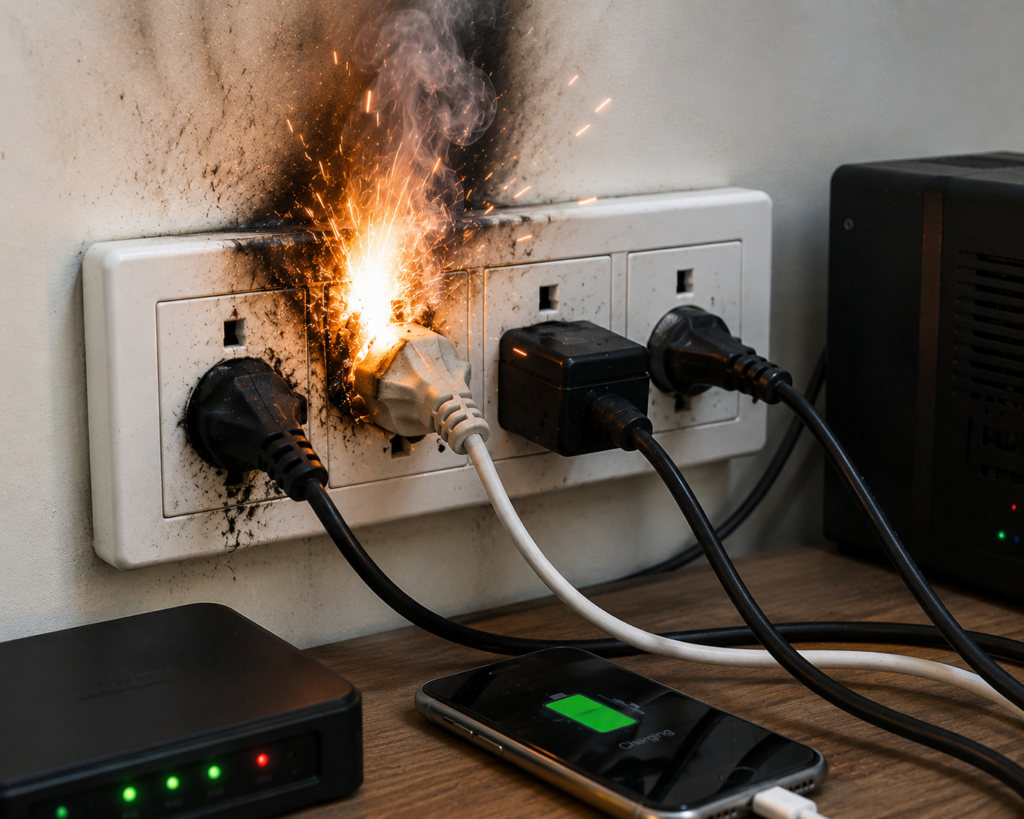
A power surge is a sudden, brief spike in voltage that can damage or destroy electrical equipment. Voltage fluctuations where power levels rise and fall outside normal tolerances cause longer-term damage to motors, drives, and sensitive electronics.
Common Causes in Qatar
Power surges in Qatar can be triggered by lightning strikes during seasonal storms, grid switching by Qatar General Electricity and Water Corporation (Kahramaa), the startup of large motors or compressors within the building, or faulty equipment creating feedback into the network. In industrial and mixed-use commercial areas, nearby heavy equipment is a common culprit.
Warning Signs
- Equipment randomly shutting down or restarting without user input
- Screens or monitors flickering or showing distorted output
- Frequent failure of power supplies, chargers, and power boards
- Sensitive equipment showing reduced performance or shorter lifespans
- Unexplained error codes on PLCs or building management systems
How to Fix It
The most effective protection is a layered approach: whole-building surge protection at the main distribution panel, combined with point-of-use surge protection for sensitive equipment. Voltage regulation may also be required for buildings with highly sensitive systems such as medical equipment, server rooms, or industrial control systems.
Additionally, ensuring that your building’s earthing and grounding system meets current standards is critical a properly designed grounding system is your first line of defence against surge damage.
Prevention Strategy
Conduct annual power quality assessments to identify voltage instability trends before they cause equipment failures. This is particularly important for commercial buildings housing expensive technology infrastructure.
5. Faulty or Non-Compliant Emergency Lighting Systems
What Is It?
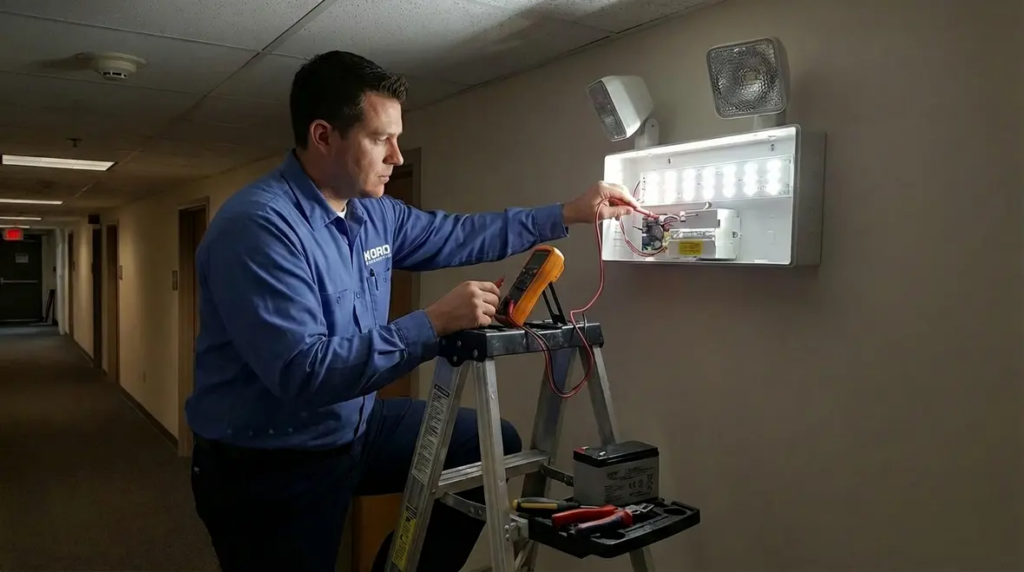
Emergency lighting and exit signage are mandatory in commercial buildings under Qatar’s Civil Defence regulations and NFPA standards. These systems must activate automatically during a power failure, providing illumination for safe evacuation. When emergency lighting systems fail due to dead batteries, burned-out bulbs, or faulty control systems they create both a safety hazard and a compliance liability.
Why It’s a Priority Issue in Qatar
Qatar’s Civil Defence places significant emphasis on fire safety compliance. Building owners and facility managers who fail routine inspections due to non-functional emergency lighting risk fines, occupancy restrictions, and civil liability. With Qatar continuing to host large-scale international events and operating high-occupancy commercial spaces, emergency system compliance is under more scrutiny than ever.
Warning Signs
- Exit signs that are dim, dark, or completely off
- Emergency lights that fail to activate during scheduled tests
- Flickering emergency lighting in stairwells or corridors
- Failed battery indicators on emergency lighting units
- Non-compliance noted during fire safety inspections
How to Fix It
First, conduct a full emergency lighting audit against your building’s evacuation plan to confirm coverage is adequate. Replace failed units, test all batteries, and upgrade to energy-efficient LED emergency systems where possible. Establish a logbook for regular testing monthly functional tests and six-monthly full-duration discharge tests are standard.
Prevention Strategy
Emergency lighting maintenance should be included in every commercial facility management contract. This is not an area where deferred maintenance is acceptable a single failed exit light during a real emergency can have catastrophic consequences.
6. Damaged Outlets, Switches, and Electrical Fittings
What Is It?
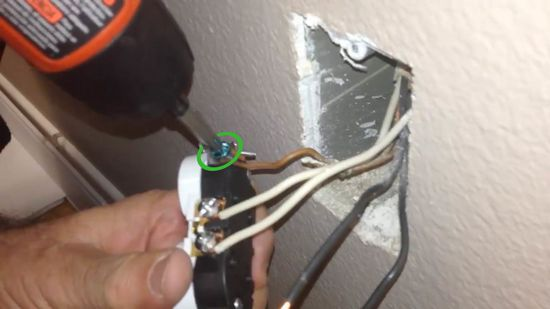
Power outlets, light switches, data points, and other electrical fittings experience significant wear and tear in busy commercial environments. When fittings become loose, cracked, or internally damaged, they expose live wiring and create shock hazards for occupants, staff, and visitors.
Why It’s Often Overlooked
Minor damage to outlets and switches is easy to dismiss as cosmetic. It rarely triggers an alarm or shuts down operations. But a loose outlet with an exposed live terminal in an office or retail space is a genuine electrocution risk particularly in Qatar’s humid coastal environment where moisture accelerates electrical degradation.
Warning Signs
- Face-plates that are loose, cracked, or missing entirely
- Visible sparking when connecting or disconnecting appliances
- Outlets that feel warm or emit a slight burning smell
- Intermittent power devices connected to an outlet that lose power randomly
- Discolouration or scorch marks around the fitting
How to Fix It
Damaged fittings should be replaced promptly with commercial-grade components rated for the environment. In high-traffic areas, heavy-duty outlets and switches designed for frequent use are worth the investment. For buildings in Qatar’s humid or coastal zones, fittings with appropriate IP (Ingress Protection) ratings for moisture resistance should be specified.
Prevention Strategy
Include a routine visual audit of all electrical fittings in your monthly facility management walkthrough. Any fitting showing signs of damage should be logged and scheduled for replacement within a defined timeframe not left indefinitely on a backlog.
7. No Preventative Electrical Maintenance Plan
What Is It?
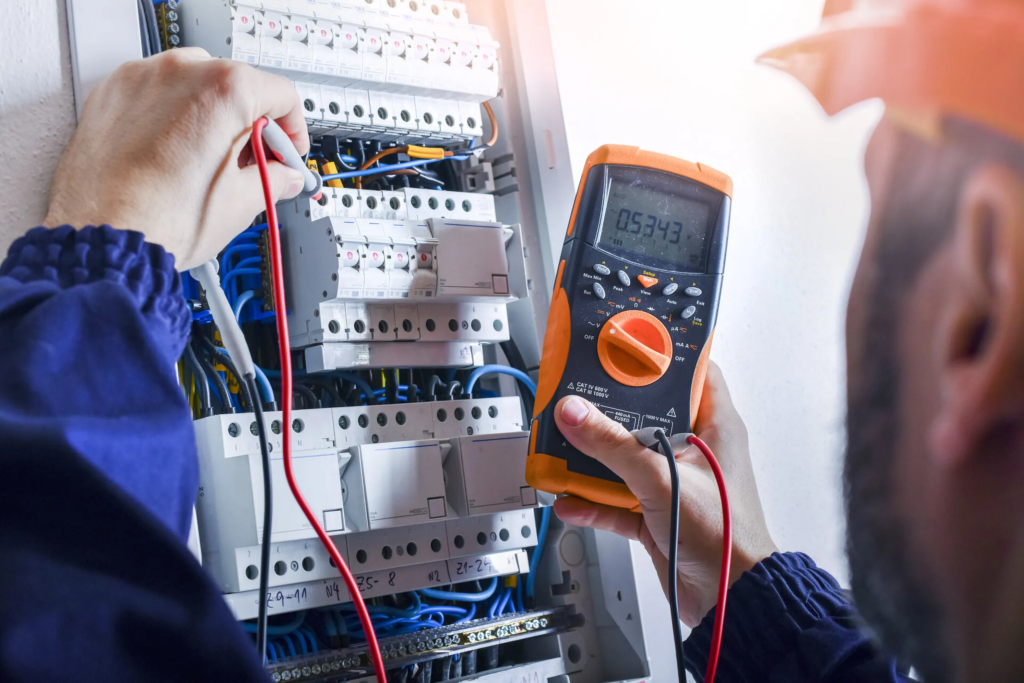
This is arguably the most consequential item on this list. Most serious electrical failures in commercial buildings in Qatar are not sudden, random events. They are the predictable result of months or years of deferred maintenance inspections that were postponed, faults that were noted but not acted on, and equipment that was never tested until it failed.
The Cost of Reactive Electrical Management
Reactive electrical maintenance is consistently more expensive than preventative maintenance — not just in repair costs, but in business disruption, equipment replacement, regulatory penalties, and reputational damage. An unplanned power failure in a commercial building in Doha can halt operations for hours or days, with significant financial and contractual consequences.
What a Proper Electrical Maintenance Plan Includes
A comprehensive preventative electrical maintenance programme for a commercial building in Qatar should cover:
- Annual switchboard inspection and thermal imaging
- Periodic wiring condition assessments
- Emergency lighting monthly and six-monthly testing with maintained logbooks
- Power quality monitoring and surge protection reviews
- Visual audits of all fittings, outlets, and distribution equipment
- Testing and tagging of portable electrical appliances
- Full compliance documentation for Civil Defence and regulatory purposes
How to Fix It
If you don’t currently have a structured maintenance plan, the starting point is a full electrical audit of your building to establish a baseline condition assessment. From that audit, a prioritised maintenance schedule can be developed that addresses critical issues first, then manages ongoing preventative tasks on a defined calendar.
Prevention Strategy
Partner with a qualified electromechanical contractor who can provide an Annual Maintenance Contract (AMC) covering electrical systems as part of integrated MEP facility management. This shifts electrical maintenance from a reactive cost centre to a planned, budgeted operational function.
Frequently Asked Questions (FAQ)
What are the most common electrical problems in commercial buildings in Qatar?
The most common issues are overloaded circuits, ageing wiring, poorly maintained switchboards, power surges, faulty emergency lighting, damaged outlets, and the absence of a structured electrical maintenance plan. Qatar’s climate and rapid commercial development make these issues particularly prevalent.
How often should a commercial building’s electrical system be inspected in Qatar?
As a minimum, commercial buildings should have a comprehensive electrical inspection every three years. Switchboards should be inspected and tested annually. Emergency lighting requires monthly functional tests and six-monthly full-duration tests. Buildings with high electrical loads or sensitive equipment may require more frequent assessments.
What is the risk of ignoring electrical problems in a commercial building?
Ignored electrical problems can lead to electrical fires, equipment damage, electrocution hazards, regulatory non-compliance, Civil Defence violations, business interruption, and significant financial liability. In Qatar, Civil Defence compliance is mandatory, and penalties for non-compliance can include fines and operational restrictions.
What does an electromechanical contractor do for commercial electrical maintenance?
A qualified electromechanical contractor provides electrical inspections, switchboard maintenance and upgrades, emergency lighting testing and replacement, wiring assessments, surge protection installation, power quality monitoring, and full compliance documentation — typically packaged as an Annual Maintenance Contract (AMC).
Why does Qatar’s climate affect commercial electrical systems?
Qatar’s extreme heat significantly increases the load on HVAC systems, which are the largest electrical consumers in most commercial buildings. High humidity in coastal areas accelerates corrosion of wiring and fittings. Dust ingress into panels and equipment is also a common issue. These factors make regular maintenance more critical in Qatar than in more temperate climates.
How do I know if my commercial building’s electrical system is overloaded?
Common signs include frequent circuit breaker trips, flickering lights when large equipment operates, warm outlets or panels, buzzing sounds near switchboards, and unexplained power outages in parts of the building. A professional electrical load assessment will give you a definitive answer.
What is an Annual Maintenance Contract (AMC) for electrical systems?
An AMC is an agreement with a qualified electromechanical contractor to carry out scheduled inspection, testing, and maintenance of your building’s electrical systems throughout the year. It ensures compliance, prevents unexpected failures, and provides predictable maintenance costs.
Conclusion: Don’t Wait for a Failure to Act
Electrical problems in commercial buildings rarely announce themselves in advance. They develop quietly — through deteriorating wiring, ageing switchboards, and skipped inspections until they reach a point where the consequences are sudden and serious.
For facility managers and building owners in Qatar, the smart approach is straightforward: understand the risks, implement a structured maintenance programme, and work with a qualified electromechanical partner who knows Qatar’s regulatory environment and the demands of its built infrastructure.
At Graner, we deliver integrated MEP and facility management solutions across Doha and Qatar, including comprehensive electrical maintenance for commercial buildings, towers, and industrial facilities. Our team brings the technical depth, compliance knowledge, and operational reliability that commercial properties in Qatar need.
If you’d like a professional assessment of your building’s electrical systems, or want to discuss an Annual Maintenance Contract, contact Graner Qatar today.
📞 +974 44366836
Visit our Page: Click here
📍 No. 203, Barwa Commercial Avenue, Arkan Gate 23, 2nd Floor, Doha, Qatar
This blog is intended for facility managers, property owners, and operations teams managing commercial buildings in Qatar. All recommendations should be implemented by a licensed electromechanical contractor.